From Hives to Bottles: Why the Bee is the Perfumer's Primary Ally

In the intimacy of our Parisian laboratory, every Quintessence bottle holds a promise of nature. But before our noses begin to compose, and even before the flowers yield their secrets, a tiny and tireless actor takes the stage: the bee. Between Haute Parfumerie and these environmental sentinels, there exists an invisible pact—a symbiosis that we have chosen to celebrate and protect.

For a perfumer, biodiversity is not an abstract concept; it is their palette of colors. Without the pollination work of bees, the diversity of natural essences would collapse. The bee does not merely forage; it ensures the reproduction of perfume plants, guaranteeing the longevity and complexity of harvests.

This cycle of beauty is fragile. By protecting bees, we preserve the exceptional quality of the raw materials that define our creations. They are the true architects of our olfactory emotions.

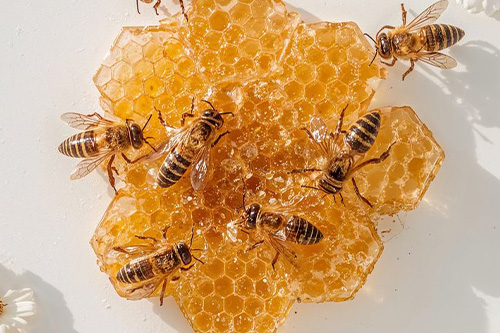
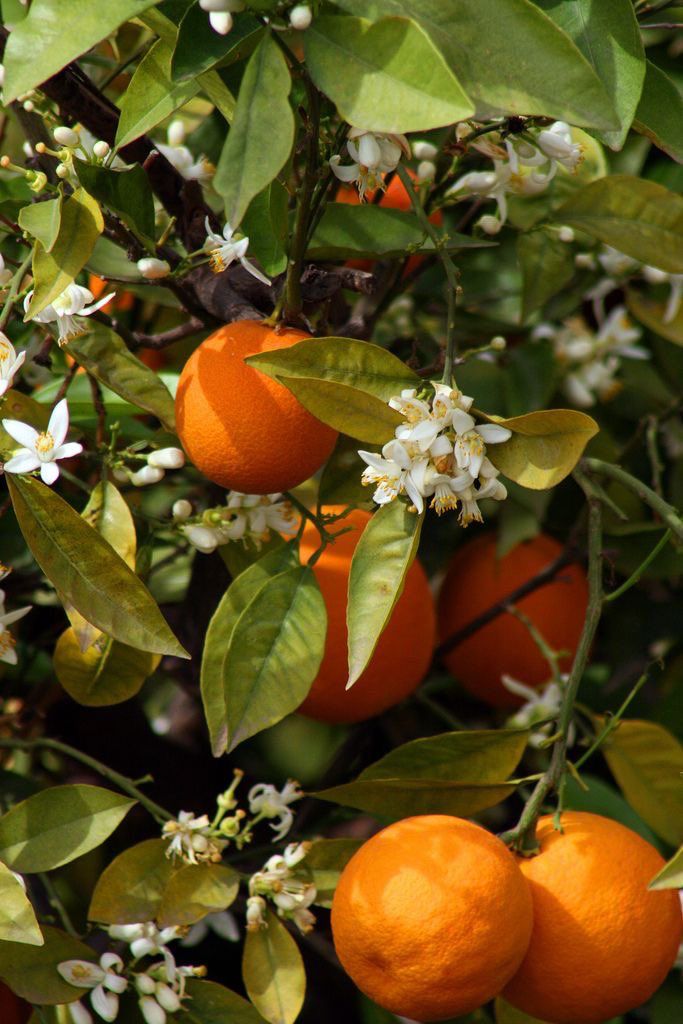
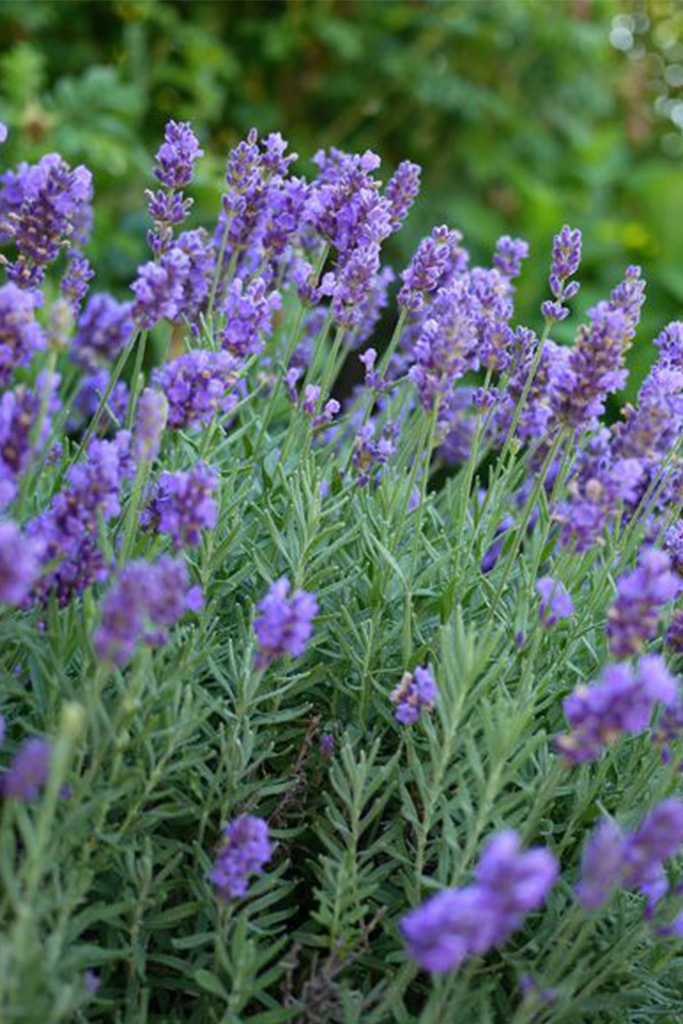
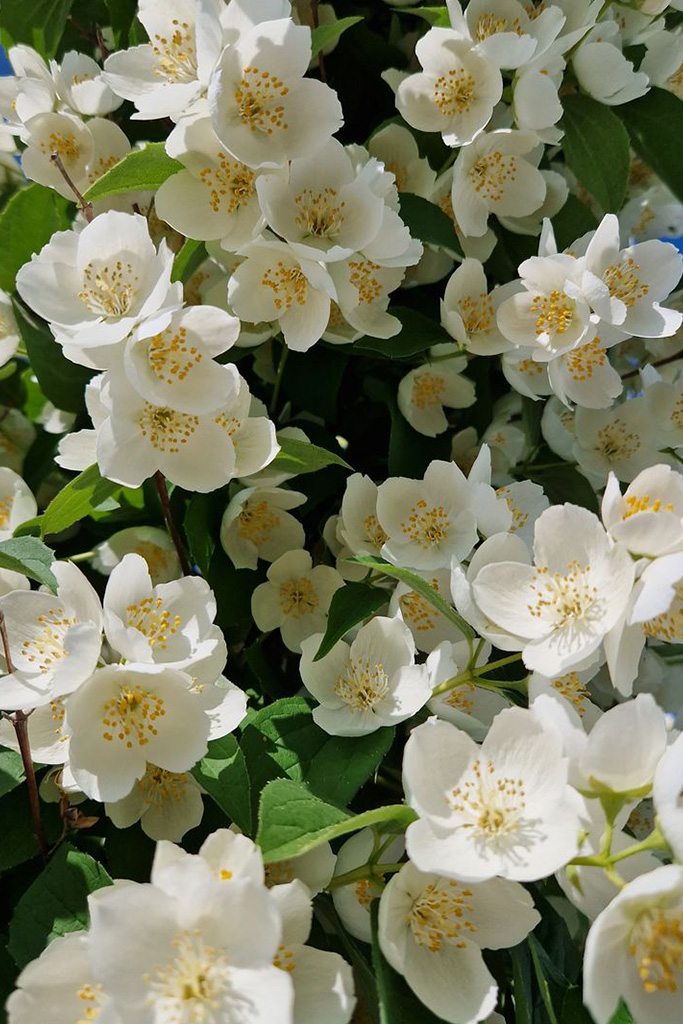
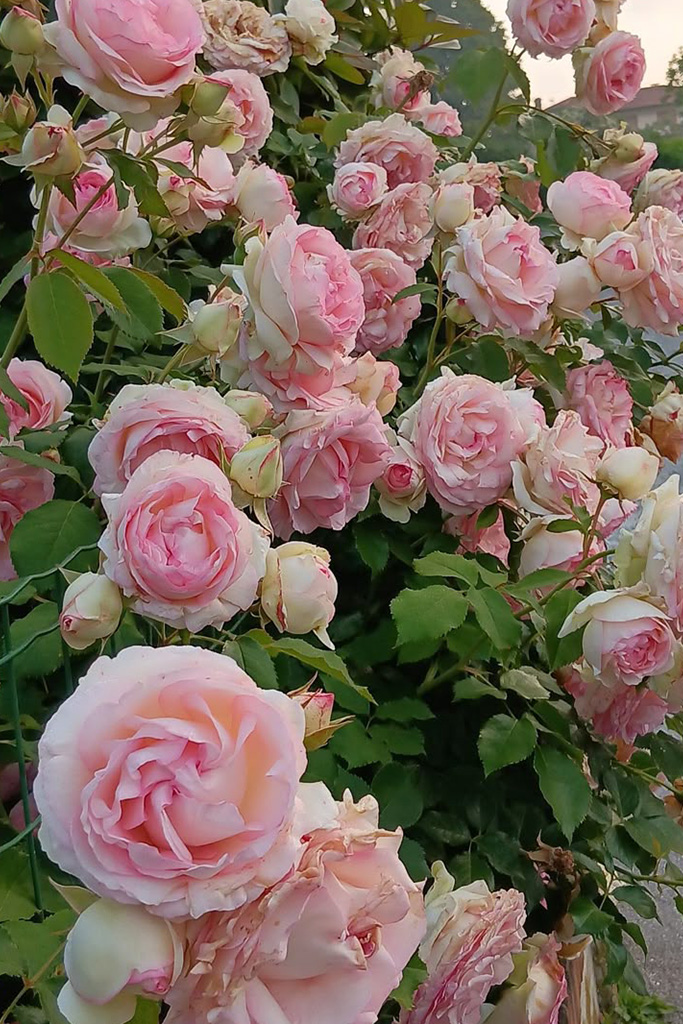
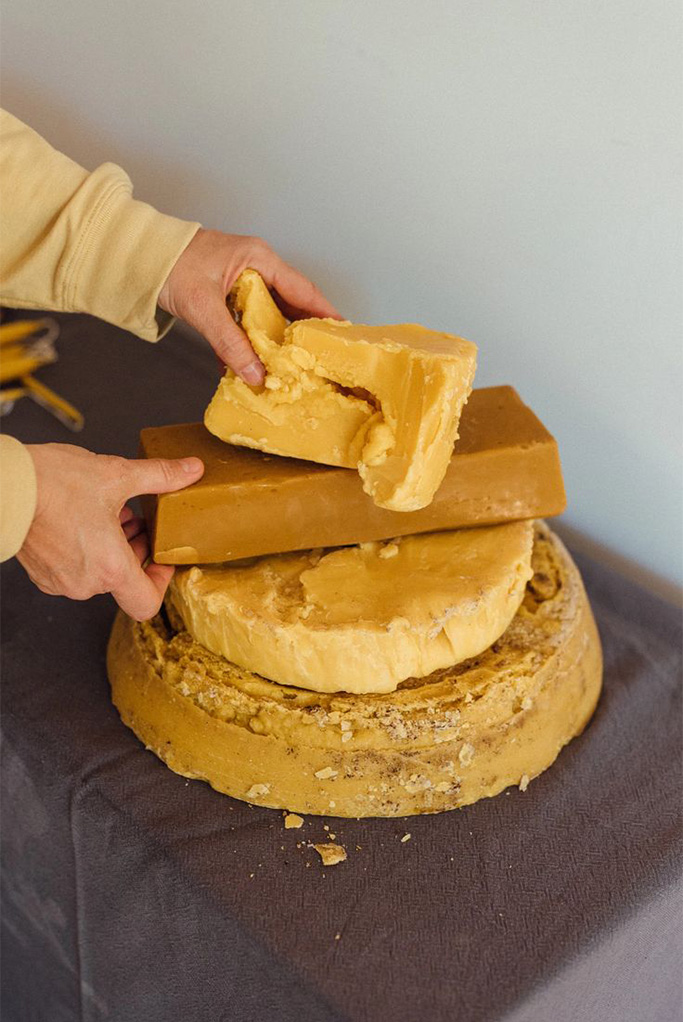
 From left to right: 1. Orange Blossom: Its precious nectar attracts foragers, offering an essence that is both fresh and carnal. 2. Lavender: A true pantry for bees, it provides a pure essential oil, the ultimate symbol of Provence. 3. Jasmine: Its scent intensifies at dawn to guide insects—a unique, natural strategy of seduction. 4. May Rose: A queen flower whose pollination ensures the vigor and richness of future buds. 5. Beeswax Absolute: A luxury material with honeyed, warm, and slightly animalic facets, used to give body to fragrances with character.

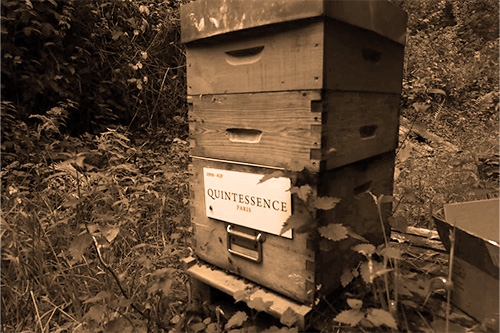
Aware that our craft depends on this balance, Quintessence has sealed a partnership with Un Toit Pour Les Abeilles (A Roof for Bees). This commitment allows us to sponsor a hive and support artisanal beekeeping that respects the biological rhythm of the colonies.
Today, our Quintessence hive is thriving. Following its evolution through the seasons is a daily source of inspiration for our teams. We have the privilege of receiving regular news from our winged "collaborators":

The Spring Awakening: From the first rays of sunshine, we track their first outings to forage early flowers—a moment that marks the renewal of our olfactory palette.

The Summer Effervescence: This is harvest time, where the hive hums with intense activity, transforming the nectar of surrounding landscapes into a complex and aromatic honey.

The Protective Overwintering: Every stage, until the colony clusters to face the cold, reminds us of nature's resilience and the vital importance of solidarity.

This sponsorship allows us to actively participate in safeguarding the bee—a true sentinel of the environment whose survival is intrinsically linked to the quality of tomorrow's perfumes.

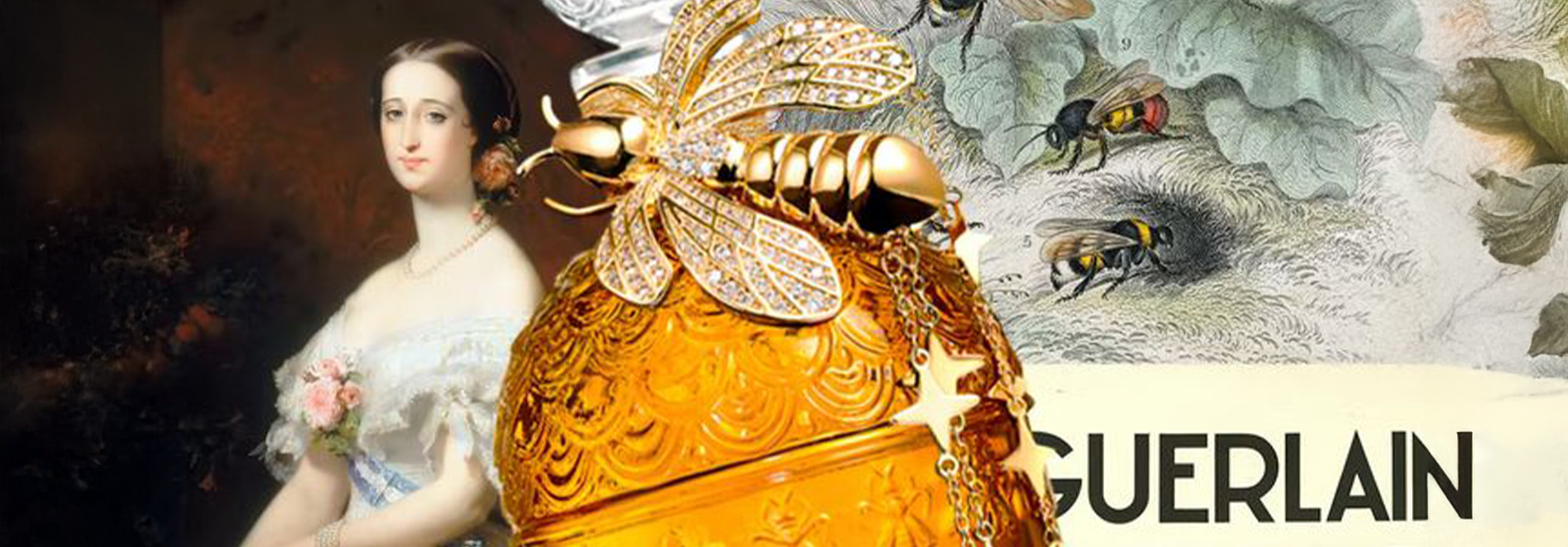
Guerlain

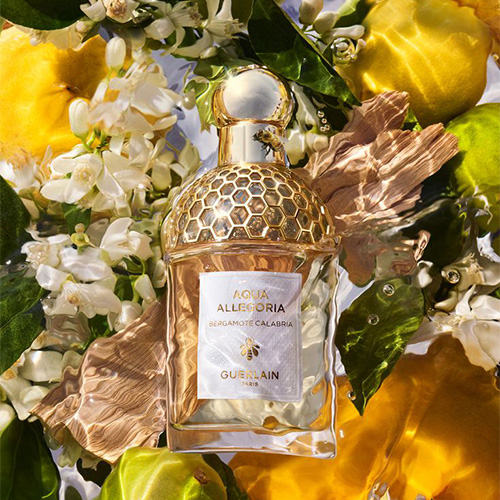
The Bee has been the House’s historic emblem since 1853 (the famous "Bee Bottle"). Today, it remains at the heart of their brand identity and conservation programs (Abeille Royale).

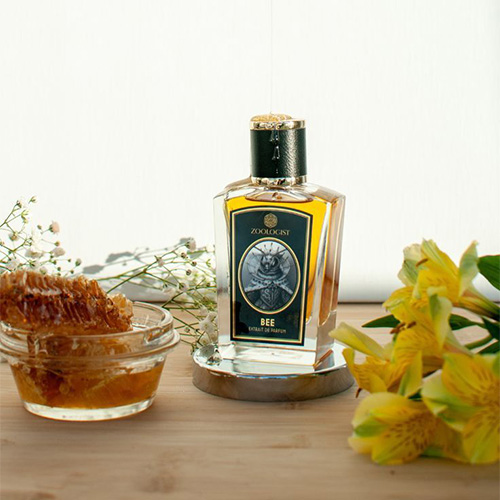
Zoologist

With its perfume "Bee," this niche house explores an artistic and disruptive approach, capturing the dense, sugary atmosphere of a hive's interior.

Dior

Their cosmetic and skincare lines use the bee as a symbol of prestige and natural science, highlighting the effectiveness of hive-derived ingredients for skin regeneration.

The bee is much more than an insect; it is a symbol of collective strength. At Quintessence, we see it as a sentinel of the invisible. Its presence is the sign of a healthy ecosystem; its disappearance would mean a final olfactory silence. Giving a Quintessence product also means supporting this vision of beauty that cares for the world. Protecting the bee means protecting the art of living for tomorrow.

FAQ: Secrets of the Hive and Perfume

Why does honey smell different depending on the region?

Just as a perfume has its own "terroir," honey is a faithful reflection of the flowers visited by the bees. A forest honey will reveal woody notes, whereas an orange blossom honey will be floral and zesty.

Does perfume scare bees?

On the contrary, bees are naturally attracted to aromatic molecules. However, as perfumers, we always prioritize respectful extraction methods so as not to disrupt their natural environment.

How can I help bees in my own garden?

Plant honey-producing species (such as thyme, rosemary, and sage) and avoid using any pesticides. Simply setting out a small water station can also be a great help to them during intense heatwaves.

This might interest you...

THE ART OF THE POCKET FORMAT IN ROOM SPRAYS

Discover how miniature room sprays (2ml and 11ml) elevate customer experience across hospitality, luxury events, and retail.
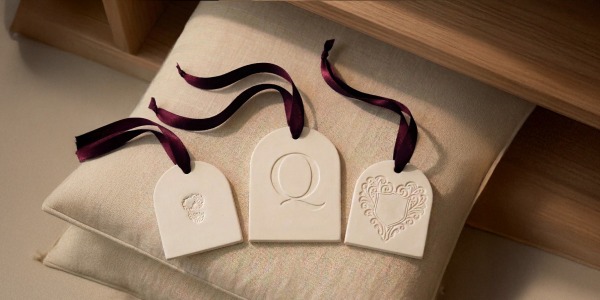
SCENTED CERAMICS: AN UNFORGETTABLE COPORATE GIFT

Scented ceramics are the new premium standard for corporate gifting, using "Slow Branding" to create brand memory.

THE MATCH: MARKETING’S LITTLE SPARK

Discover how the humble matchbox is evolving from a simple utility into a premium sensory marketing tool and a collectible customer gift. 

We use cookies to improve your experience on our website. By continuing to browse or by closing this window, you agree to the use of cookies.