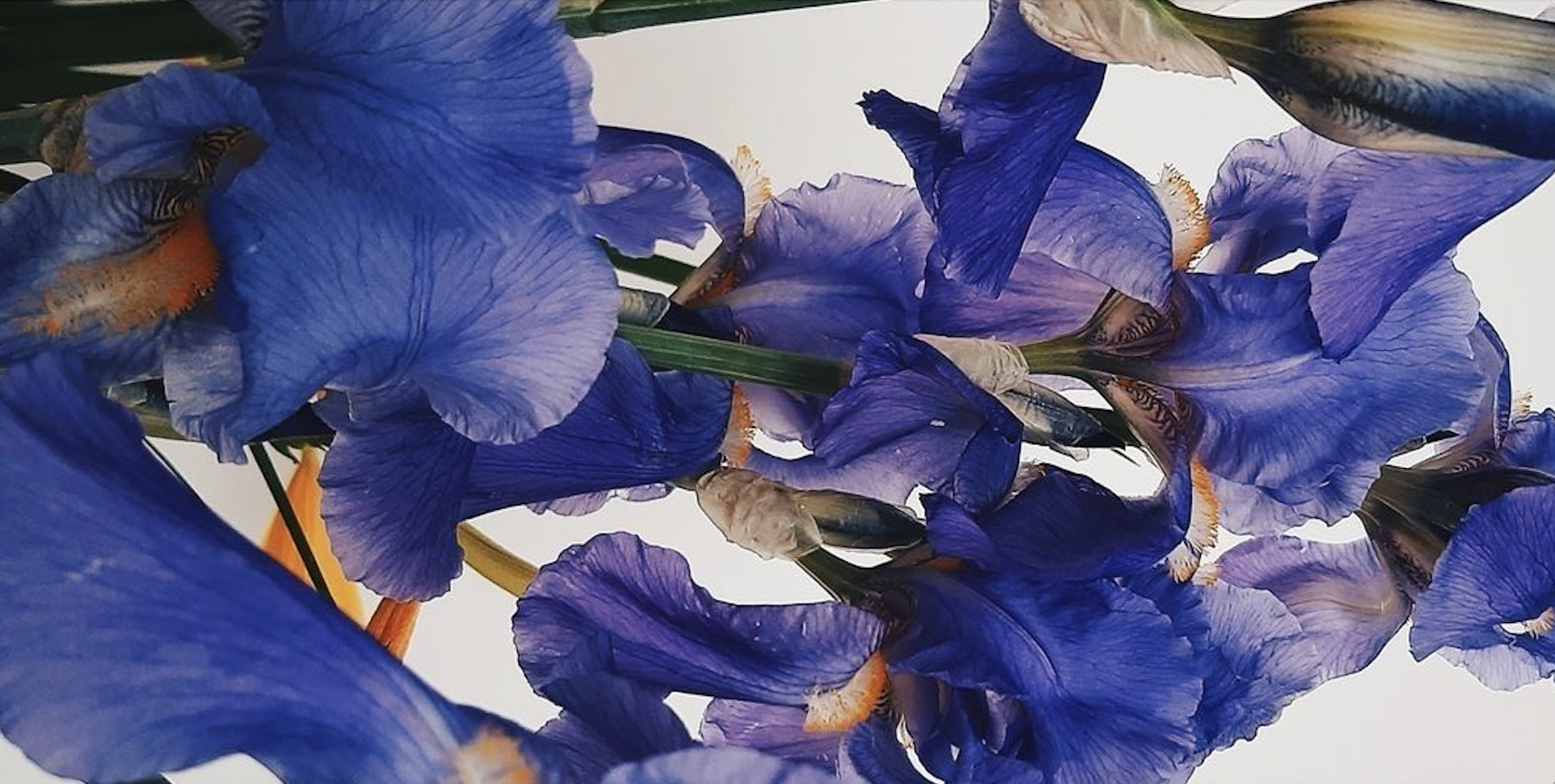
There is a mystery in perfumery that few outsiders suspect: the iris flower, majestic and haughty in our gardens, is hopelessly mute. It jealously guards its treasure buried underground. To capture its soul, one must be armed with patience and dive into the depths of the earth. Nicknamed "Blue Gold," iris embodies a fascinating paradox: a raw material that demands years of subterranean silence before revealing an airy, almost celestial nobility.

Olfactory: Iris, the Powdery and Earthy Treasure of High Perfumery

The secret of the iris lies within its rhizomes. Unlike mimosa, where the branches and leaves are used to obtain a green note, iris only yields its essence after a cycle of life of rare demands. After three years of cultivation in the soil, the roots are harvested, cleaned, and then stored for a drying period of three additional years. It is during this slow maturation that irones develop—the molecules responsible for its incomparable fragrance. Transformed into a smooth "iris butter" (or orris butter), this nectar reaches astronomical prices, making it one of the most expensive raw materials in the world.

Olfactory Profile

Iris deploys a unique sensory spectrum. It opens with a note of smooth, creamy butter and evolves toward a powdery violet facet, with accents of warm bread or the tactile sensuality of suede. This velvety texture explains the current craze for "comfort scents"—fragrance trails that wrap around you like a cashmere coat.

Top 4 Essential Fragrances:

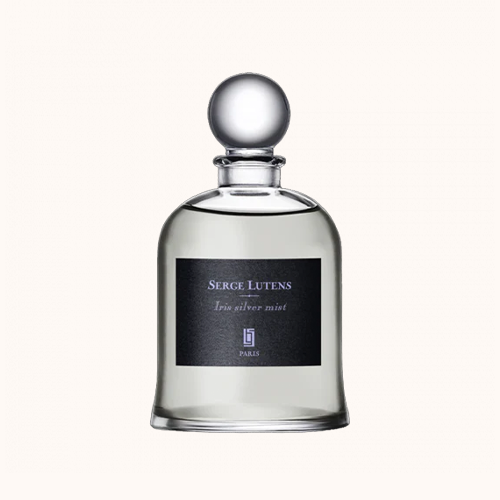
Iris Silver Mist (Serge Lutens)

Soleil de Provence (L’Artisan Parfumeur)

Iris in its most radical, cold, and earthy form. A niche masterpiece.

Mimosa & Cardamom (Jo Malone London)

The revolution. Iris enters the masculine realm, bringing a powdery and modern elegance that redefined industry codes.

Latte Mimosa (New Notes)

A satin-smooth, sophisticated interpretation; the very embodiment of Parisian chic.

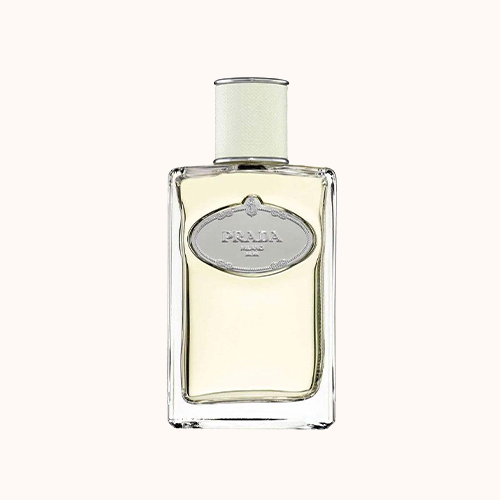
Champs-Élysées (Guerlain) :

A clean and diaphanous freshness, very much in line with the discreet elegance of Infusion de Mimosa.

Interior Design: "Iris Blue & Grey" Elegance

The trend toward immersive well-being gives pride of place to muted, powdery hues directly inspired by the nuances of the iris.

Textures & Materials: The goal is to reproduce the fine grain of the iris. Much like mimosa, whose "fluffy" aspect is often highlighted, silk velvet and suede are favored for their deeply tactile, sensory feel.

Color Palette: Pair iridescent blues with concrete gray for a neo-industrial look, or with earthy tones to recall its root origins.

History and Symbolism: The Flower of Kings and Resilience

From historical Tuscany to the gardens of the Renaissance, the iris has always fascinated. In mythology, Iris was the messenger of the gods, creating a bridge between heaven and earth with her rainbow scarf. Iris flowers represent wisdom, trust, hope, and courage.

This flower is also a symbol of resilience. The iris draws its strength from a slow and invisible underground growth. It represents strength beneath softness—an elegance that cannot be rushed, but is built over time.

FAQ : Everything You Need to Know About Iris

Why is iris nicknamed blue gold?

Because of its price and its color. In Grasse, and notably at Chanel’s Pégomas fields, Iris pallida is cultivated like a relic. It is one of the house’s five emblematic flowers, requiring an artisanal know-how that only haute parfumerie can afford.

Why does iris evoke the scent of makeup?

This dates back to the "century of powder compacts" (the early 20th century). At the time, iris was used to scent rice powders and powder puffs. This scent has remained engraved in the collective subconscious as the ultimate smell of beauty rituals and sophisticated femininity.

Where does its name come from?

The iris takes its name from the Greek word îris, which means "rainbow." Some say this name refers to the vast variety of colors found among its many species.

Why is it so expensive?

It takes about one ton of rhizomes to produce just two kilograms of iris butter. Between the 3 years in the ground and the 3 years of drying, every single drop is the fruit of six years of patience.

What is the difference between iris and violet?

While their scents are similar (both sharing a powdery facet), iris comes from the root and possesses a more earthy, woody dimension, whereas the violet note (often reconstructed in the lab) is sweeter and more floral.

Muse to many artists

Iris can be found in the works of Monet and Van Gogh, but it is also at the heart of Japanese culture. The flower is the idol of many Japanese paintings, poems, and dramatic plays, symbolizing nobility and purity.

This might interest you...

SCENTED CERAMICS: AN UNFORGETTABLE COPORATE GIFT

Scented ceramics are the new premium standard for corporate gifting, using "Slow Branding" to create brand memory.

THE MATCH: MARKETING’S LITTLE SPARK

Discover how the humble matchbox is evolving from a simple utility into a premium sensory marketing tool and a collectible customer gift. 

WHAT IS OLFACTORY MARKETING ALL ABOUT?

Olfactory marketing has emerged as a vital strategy for brands, utilizing the subconscious power of scent to increase sales.

We use cookies to improve your experience on our website. By continuing to browse or by closing this window, you agree to the use of cookies.