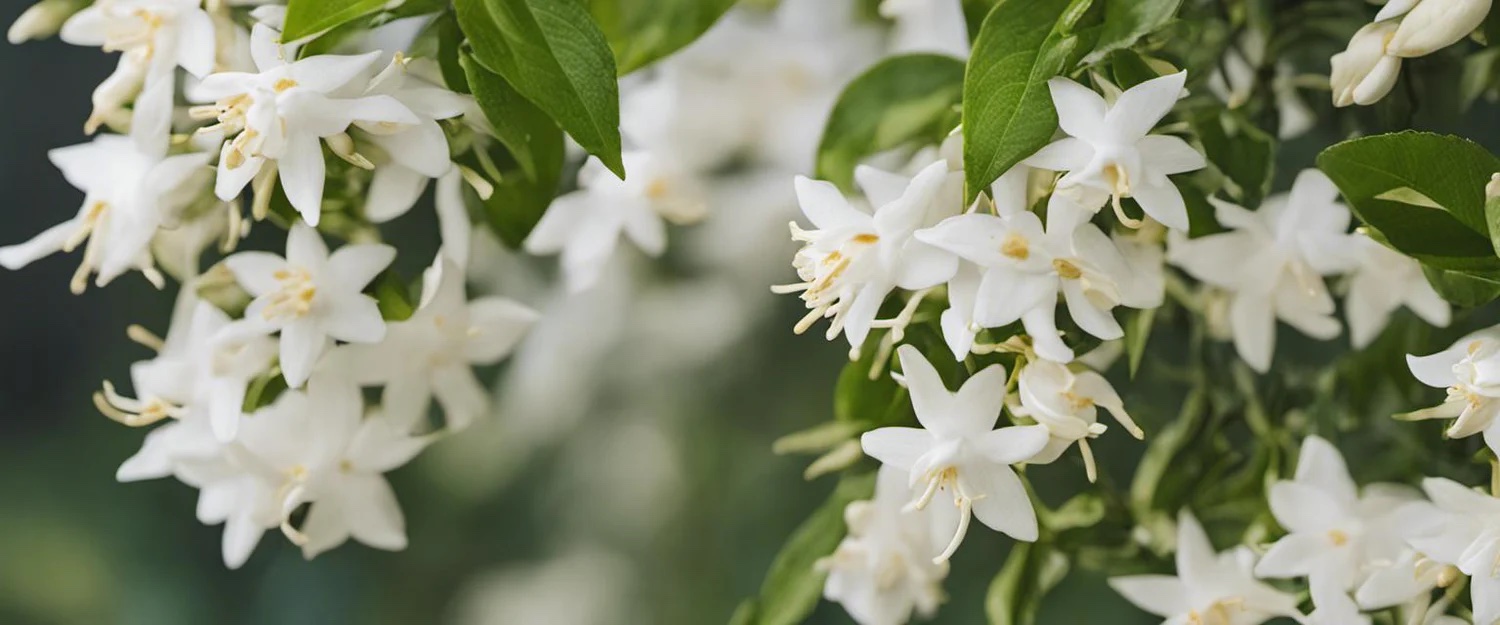
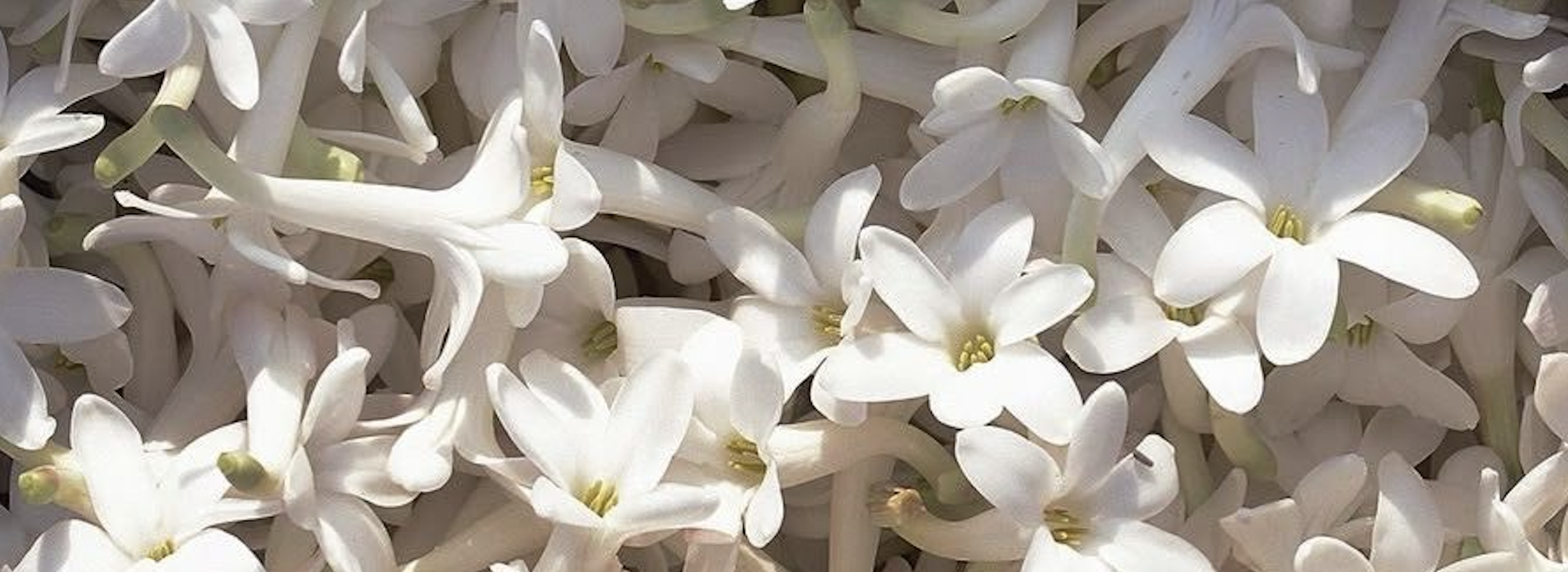
As dawn breaks over the fields of Tamil Nadu or the Nile Delta, a mesmerizing fragrance saturates the humid air. This is the awakening of jasmine—a tiny, star-shaped flower that, despite its apparent fragility, carries upon its petals the economy of entire regions and the history of global perfumery. Between the spiritual rituals of India and the crystal flacons of Place Vendôme, jasmine remains the "Queen of the Night," a timeless muse reinventing itself in the face of today's climate challenges.
Olfactory: Jasmine, the Absolute of High Perfumery

In perfumery, jasmine is not just a flower; it is a structure. Two main varieties dominate the industry: Jasmine Grandiflora, with its fruity and tea-like facets, and Jasmine Sambac, which is greener, more carnal, and solar.
A Market in Full Transition
While Grasse remains the spiritual birthplace, the bulk of global production takes place elsewhere, where the terroir dictates the law:
Egypt Under Strain: As the historical leader in Grandiflora production, the country faces rapid urbanization and climate stress that is shrinking arable land.
The Indian Opportunity: India, the world’s leading producer of Sambac, is restructuring its supply chains to meet the strict demands of fine perfumery. The country is betting on sustainability and ethical certification to transform this traditional crop into a powerful driver of responsible luxury.
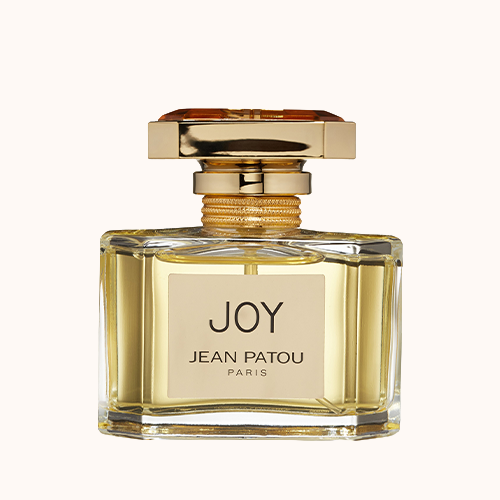
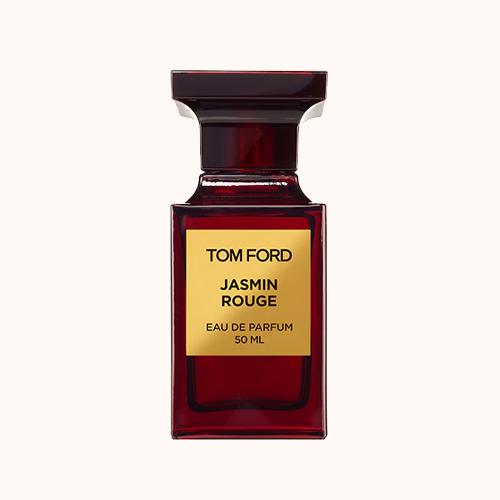
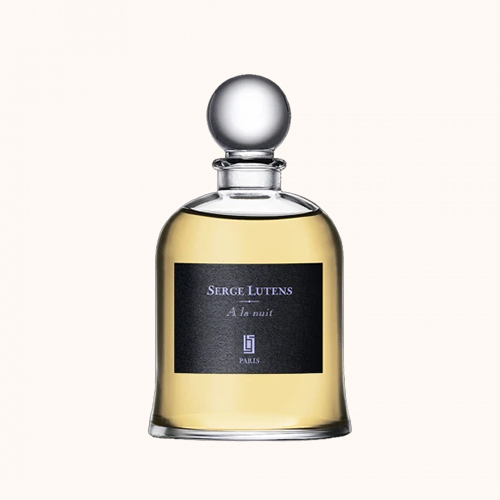
Top 4 Essential Jasmine Fragrances:
Interior Design: The Purity of "Jasmine White"
In 2026, interior design seeks serenity through Organic Minimalism. Jasmine white, with its slightly creamy undertone, replaces clinical whites to introduce a soft, diffused warmth into living spaces.
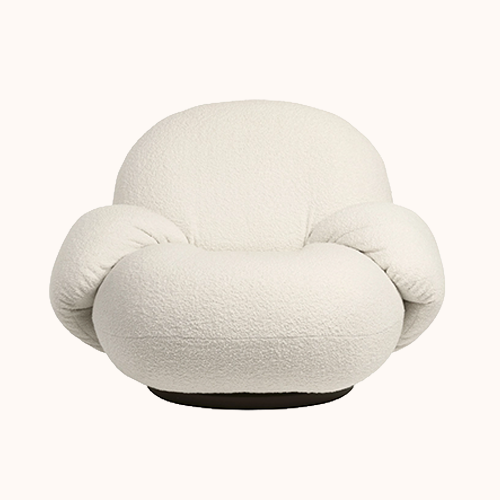
• The "White Glow" Aesthetic: It is all about the interplay of textures. Matte, porous materials (such as ceramic and plaster) are paired with opulent textiles like silk velvet or bouclé fabric.
•The Noble Contrast: For a modern interior, pair this floral white with Carrara marble or light oak to achieve a "Quiet Luxury" ambiance.
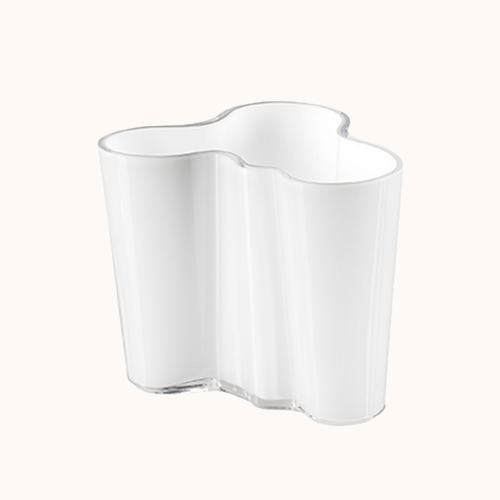
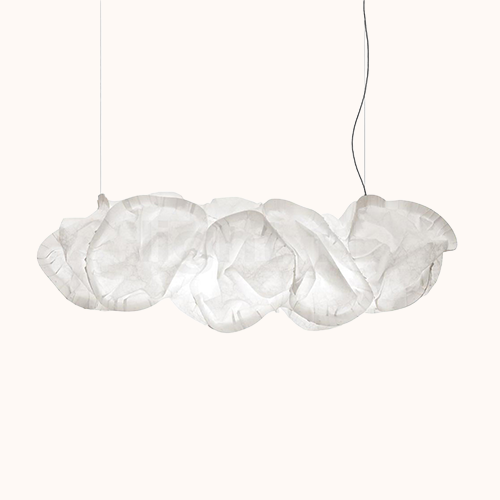
Top 3 Design Objects Inspired by Jasmine’s Clean Lines:
An airy structure made of polyester fibers that diffuses a soft, vaporous light.
History and Symbolism: A "Gift from God"
The very name of jasmine invites one to travel: it originates from the Persian word yasmin, which means "gift from God." This etymology highlights the sacred and precious nature of the flower since Antiquity.
• The Language of Flowers: Jasmine is synonymous with purity, simplicity, modesty, and strength. This last characteristic echoes its remarkable ability to bloom abundantly despite the extreme fragility of its petals.
• In India: It symbolizes fortune and benevolence, making it omnipresent in traditional rituals and adornments.
• Duality: Jasmine embodies the perfect equilibrium between a virginal appearance and a spellbinding sensuality.
FAQ: Everything You Need to Know About Jasmine
The harvest is exclusively manual and must be completed at dawn before the sun rises too high, in order to preserve the delicate volatile scent molecules. It takes approximately 7 million flowers to obtain just 1 kilogram of jasmine absolute.
• Grasse Jasmine (Grandiflora): This is the most balanced and precious variety. Its fragrance possesses an incomparable finesse, displaying facets of tea, honey, and apricot jam, without ever feeling heavy.
• Egyptian Jasmine (Grandiflora): More intense, carnal, and rich, it features a more pronounced animalic facet. It serves as the backbone of classic, opulent perfume compositions.
• Indian Jasmine (Sambac): Strikingly different, it is much greener, sharing similarities with orange blossom or lily-of-the-valley, complete with a solar, sparkling, and highly modern quality.
While India and Egypt dominate the market in volume, and Grasse leads in prestige, other terroirs contribute beautifully to the perfumer's palette:
• Italy (Calabria and Sicily): A confidential but ultra-high-quality production that closely mirrors the profile of Grasse jasmine.
• Morocco: A solar, intense jasmine, frequently utilized for its rich, honeyed facets.
• Algeria: Although production has declined, it remains a celebrated historical terroir.
• China: Primarily focused on Jasmine Sambac, used extensively for both traditional jasmine tea and fine fragrance extractions.
Jasmine is an exceptionally generous flower: new buds reappear every single morning throughout the blooming season. However, the blossom itself is fragile in the extreme. Once hand-picked at the break of dawn (when its fragrance profile is at its purest), it must be transported and processed at the factory immediately to prevent oxidation, which would otherwise destroy its precious scent molecules.
It requires plenty of natural light but suffers from the dry heat generated by indoor radiators. Place it in a cooler room at night to encourage continuous and healthy blooming.
This might interest you...
THE ART OF THE POCKET FORMAT IN ROOM SPRAYS
Discover how miniature room sprays (2ml and 11ml) elevate customer experience across hospitality, luxury events, and retail.
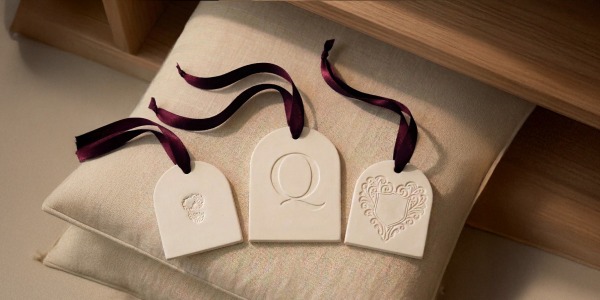
SCENTED CERAMICS: AN UNFORGETTABLE COPORATE GIFT
Scented ceramics are the new premium standard for corporate gifting, using "Slow Branding" to create brand memory.

THE MATCH: MARKETING’S LITTLE SPARK
Discover how the humble matchbox is evolving from a simple utility into a premium sensory marketing tool and a collectible customer gift.