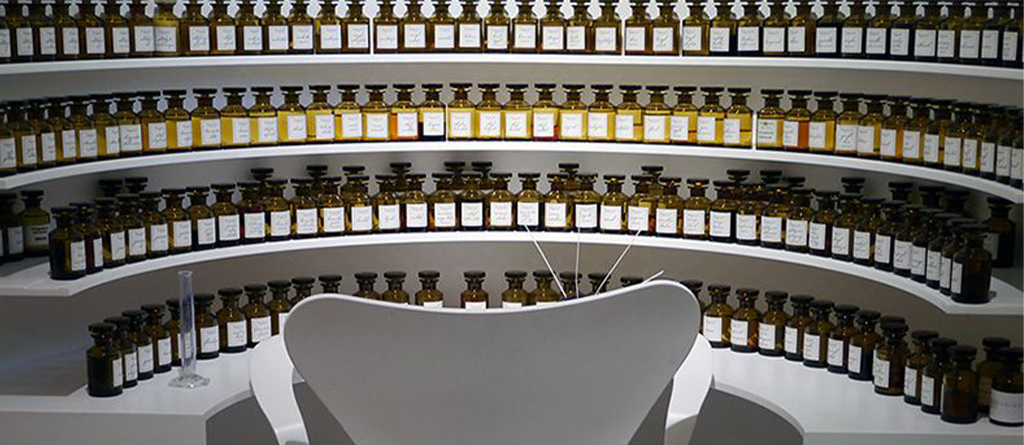
What remains of the fragrances that marked past centuries? In Versailles, the Osmothèque acts as a true shield against oblivion. Founded in 1990 by Jean Kerléo and master perfumers from the French Society of Perfumers (SFP), this institution is the world’s only conservatory dedicated to protecting olfactory memory. It is a meticulous work of passion, too often overlooked.

In perfumery, few people delve into archives for inspiration, which is a missed opportunity. While standards and trends change, drawing inspiration from the past is magical. At the Osmothèque, you can smell perfumes exactly as they were created, using the original raw materials.

The Guardian of Olfactory Time: Between Science and Memory

Preserving a perfume is a challenge of extreme resilience. Unlike an inert object, perfume is a living material that fears light and air.

Today, the institution watches over a colossal treasure: 6000 perfumes, including 1000 that have completely disappeared from the market.

The Argon Cellar: To prevent oxidation, each bottle is stored at 12°C and protected by argon, a neutral gas that preserves molecular integrity.

The Rebirth of Formulas: "Osmothecarians" don’t just store; they reconstruct. They bring back fragrances thought to be lost forever.

• NOMEN Rigor: To guarantee absolute authenticity, they use the NOMEN nomenclature. This scientific standard distinguishes "re-weighings" (perfumes remade according to the original formula) from simple interpretations. 

Top 5 Mythical Treasures:

Origin: It dates back to the 1st century AD, during the height of Ancient Rome.

Olfactory Profile: A complex and intense blend of spicy notes and resins.

Symbolism: This perfume represents the resilience of the art of the scent trail across millennia.

It is one of the crown jewels that the "Osmothecarians" have brought back to life, allowing visitors to experience a fragrance identical to its original creation.

The Revolution: This perfume was the very first to use a synthetic molecule: coumarin (extracted from the tonka bean).

The Impact: It created an entirely new olfactory family, the "Fougère" family, which still defines much of masculine perfumery today.

Profile: A blend of lavender, oakmoss, and that famous almond-like note brought by synthetic science.

The Emotion: Contrary to popular belief, iris is anything but outdated. Here, it is crafted with absolute elegance, blending the powdery side of iris with a juicy peach note.

Rarity: Iris is a luxury raw material that is extremely costly to extract. Its original formula is precious kept at the Osmothèque because it contains discontinued perfume bases.

The Feeling: It evokes the softness of velvet and a joyful melancholy—a true gem for lovers of "comforting" and "cocooning" scents.

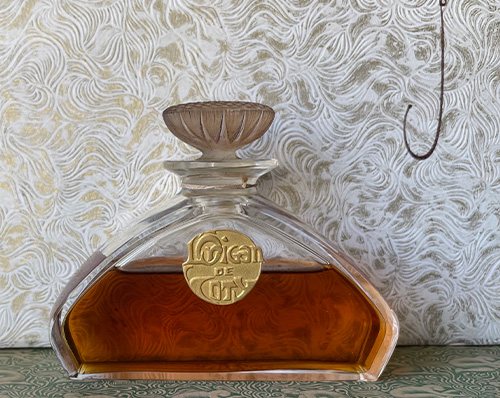
François Coty created an olfactory shock with L’Origan.

The Innovation: Considered the father of the "Floral Oriental" family, it introduced an unprecedented structure mixing orange blossom and jasmine with spicy and powdery notes.

The Legacy: Its trail evokes the warmth of a winter sun. It paved the way for many classics and defined the elegance of the early 20th century.

Before becoming the fragrance we know today, the original 1904 version was a celebration of spring splendor.

The Profile: It is a vibrant tribute to awakening nature, featuring floral, honeyed, and slightly green facets.

The Significance: More than just a scent, it is a muse for trendsetters. It embodies rebirth and the joy of living, symbolizing security and friendship in the language of flowers.

The Design of History: Bottles as Witnesses of Time

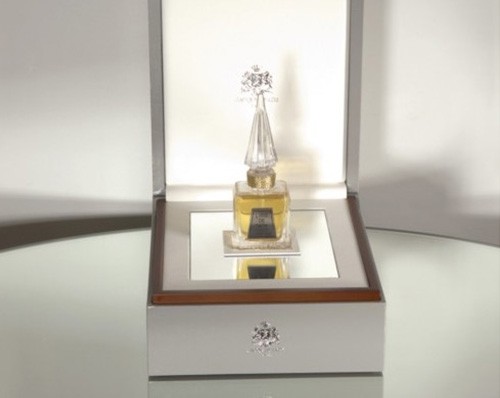
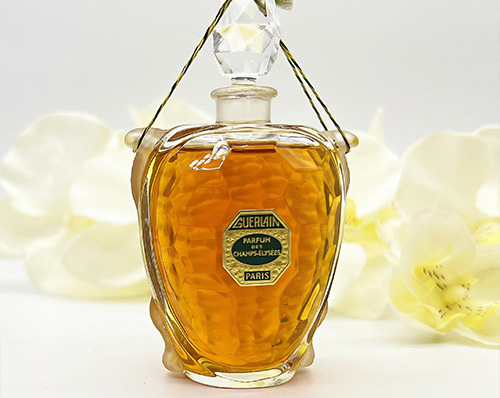
While the Osmothèque uses laboratory flasks for storage, it also holds a collection of historical bottles:

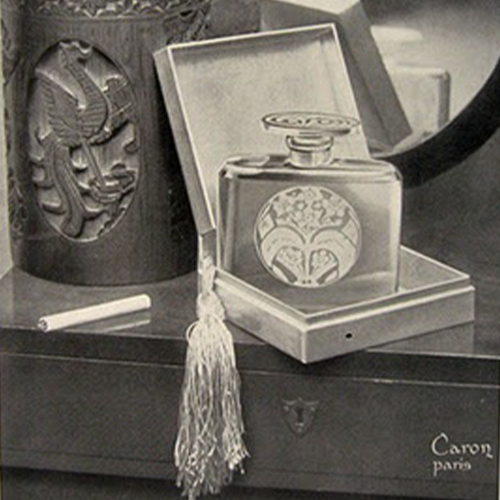
The Boldness of Maison Caron

A pioneer in the art of presentation, Caron made history with spectacular bottles (such as Tabac Blond). Their lines assert a hidden strength beneath a veil of softness.

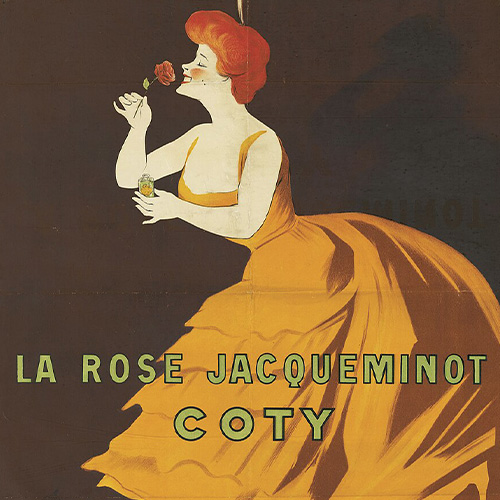
Coty’s La Rose Jacqueminot

A glass jewel that captures the brilliance and spirit of the early 20th century.

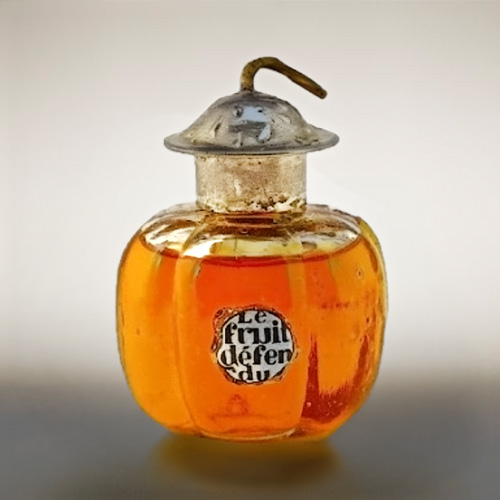
Le Fruit Défendu (Les Parfums de Rosine)

Created by Paul Poiret, this bottle perfectly illustrates the link between fashion and fragrance, creating a striking chromatic contrast.

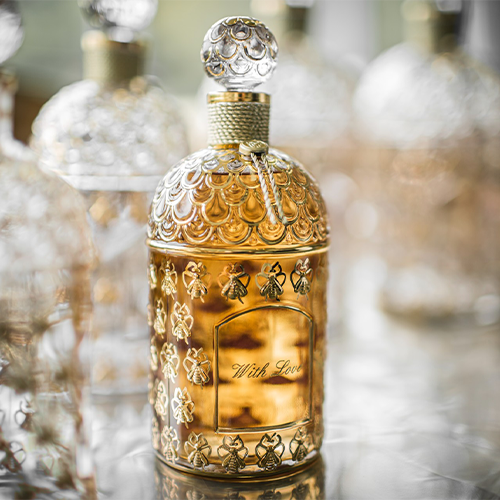
The Historic Guerlain Bottle

A poignant reminder that luxury is, above all, a story of transmission and longevity.

FAQ: Everything You Need to Know About the Osmothèque

Can you buy perfumes at the Osmothèque?

No. Its mission is to preserve and to provide the experience of smelling, not to sell.

What are the olfactory conferences like?

It is the ultimate experience for any enthusiast. Over 1.5 to 2 hours, an expert perfumer tells the story of an era or a specific raw material while passing around scented strips.

Register for conferences: Olfactory Sessions Calendar

Who runs the Osmothèque?

The institution is presided over by perfumer Thomas Fontaine. He is supported by a team of professionals and volunteers who watch over this heritage.

How can I help the association?

The Osmothèque needs support to continue its preservation mission. You can become a "Friend of the Osmothèque" or make a donation to help purchase precious raw materials.

Support the project: Link to Donate or Join

The Osmothèque is not just a guardian of the past; it is the engine for more authentic creation. Whether you are a creator seeking a brilliant idea or a perfume lover, this sanctuary proves that beauty, once protected, never dies.

Drawing from this heritage means choosing to spark inspiration by marrying the emotion of the scent trail with the rigor of history. The Osmothèque offers us the ultimate luxury: the ability, for the duration of a visit, to breathe in eternity.

https://www.osmotheque.fr/

This might interest you...

ACCESSORIES TO ELEVATE YOUR SCENTED CANDLES

Discover the essential accessories to elevate your scented candles and enhance your brand identity.
EXPLORING CANDLE ART

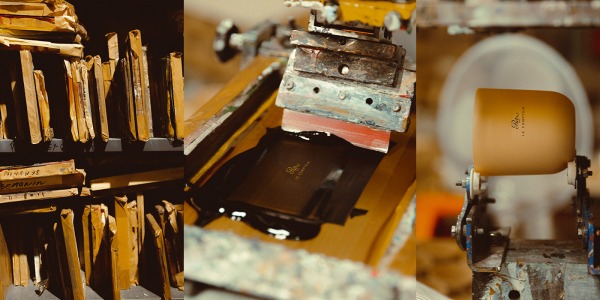
In this article, we will explore the various materials used for candle containers as well as unique design techniques.

2025 REGULATIONS FOR SCENTED CANDLES: UFI, SDS & SYNAPSE COMPLIANCE GUIDE

From 2025 scented candles with hazardous ingredients must meet EU and French rules. Discover what candlemakers need to know about UFI, SDS, and Synapse.

We use cookies to improve your experience on our website. By continuing to browse or by closing this window, you agree to the use of cookies.